Morelight Script: A Font That Feels Like a Handwritten Note
Sometimes a project needs more than just text on a page. It needs a voice, a mood, a touch of human warmth that standard fonts can’t deliver. That’s where a typeface like Morelight Script comes in. It’s not just a collection of letters; it’s a tool for adding personality and a distinct, handcrafted feel to your work. As a modern calligraphy script, it bridges the gap between elegant formality and casual, expressive writing.
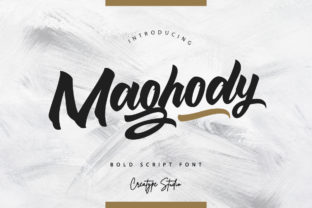
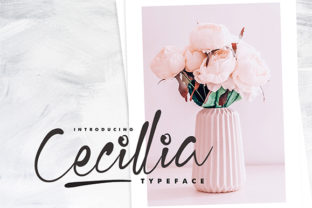
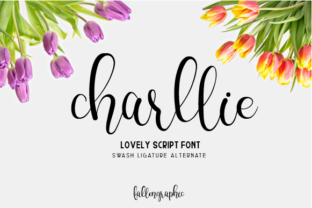
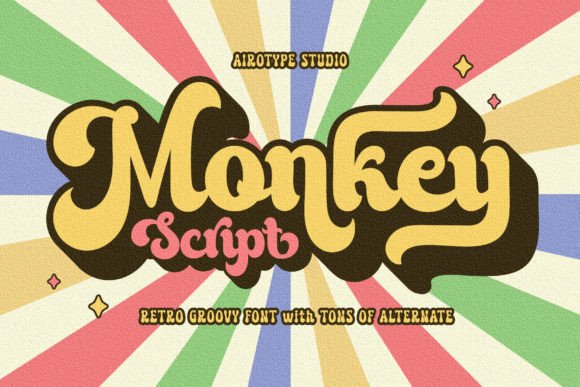
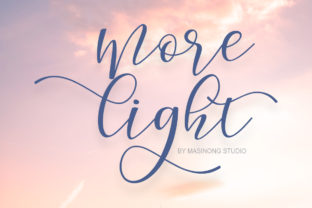
At its core, Morelight Script is a script font designed to emulate the fluidity of a pen on paper. What sets it apart is its "dancing baseline," where the letters don’t sit in a rigid, straight line. Instead, they have a gentle, organic rise and fall, much like actual handwriting. This subtle movement gives text an undeniable energy and rhythm. The font also includes decorative characters and swashes, allowing for flourishes that can turn a simple word into a small piece of art. It’s this combination of a handwritten font aesthetic with thoughtful, modern design that defines its appeal.
Where This Creative Font Truly Shines
Understanding a font’s personality is one thing, but knowing where to apply it is the key to effective design. Morelight Script excels in contexts where a personal, authentic, or celebratory tone is desired. It’s a premium font that functions less as a workhorse for body text and more as a specialized display font for impactful moments.
For brand identity work, it’s a powerful choice for specific applications. Think of a logo for a boutique bakery, a wedding photographer, or a handmade jewelry shop. The font immediately communicates care, artistry, and a personal touch. However, using it for an entire logo can sometimes limit versatility. A common strategy is to pair it with a clean, geometric sans serif font for the business name, using Morelight Script for a tagline or a small decorative element. This creates a balanced and professional logo design.
In packaging design, the font can make a product feel premium and considered. Imagine it on a candle label, a bottle of artisanal syrup, or a box of gourmet chocolates. It tells a story before the customer even opens the product. Similarly, in editorial design for magazines or lookbooks, it’s perfect for pull quotes, chapter headings, or feature titles, adding a layer of visual interest and breaking the monotony of standard serif and sans serif font pairings.
Practical Guidance for Using a Script Typeface
Integrating a script font like this into a project requires a bit of strategy. It’s a creative font, but creativity needs direction to be effective. Here’s how to approach it thoughtfully.
Evaluating Project Fit: First, ask if the project’s tone aligns with the font’s character. Is it friendly, elegant, or celebratory? Morelight Script works beautifully for invitations, greeting cards, and event branding. It might feel out of place, however, on a corporate financial report or a technical manual. The goal is to enhance the message, not contradict it.
Mastering Font Pairing: This is perhaps the most critical skill. A flowing script needs an anchor. The most reliable pairing is with a highly legible serif font or sans serif font. For example, pairing Morelight Script with a sturdy, professional typeface like Helvetica or Garamond creates a clear hierarchy. The script draws the eye for a headline or a name, while the companion font delivers the detailed information with clarity. Always test your font pairing at the actual size it will be used.
Readability is Non-Negotiable: While beautiful, script fonts can be challenging to read at small sizes or in long blocks of text. Use Morelight Script sparingly—typically for short headlines, logos, or single words. Never use it for paragraphs of body copy on a website or in a printed booklet. In web design, ensure there is sufficient contrast and that the font size is large enough for all users. For social media graphics, where viewing conditions vary, bold and simple applications often work best.
Reviewing Included Styles: A quality premium font often comes with more than the basic alphabet. Check what’s included with Morelight Script. You might find stylistic alternates (different versions of the same letter), ligatures (special combined characters like "th" or "st"), and a set of swashes. These are design assets that give you more creative control, allowing you to customize the look to fit your exact need.
Understanding Licensing: If you plan to use the font for commercial work—for a client’s brand identity, on products for sale, or in monetized content—you must ensure you have the correct commercial license. This is a legal and ethical requirement. Most foundries offer different license tiers for desktop, web, and app use. Reviewing this before starting a project is a professional necessity.
The Influence on Perception and Engagement
The right typeface does more than display words; it shapes how those words are perceived. Using Morelight Script can directly influence key aspects of your project’s success. It can elevate perceived quality, making a product or service feel more upscale and thoughtful. This is crucial in competitive markets where first impressions are everything.
Consistency in using such a distinctive font also aids recognition. When applied thoughtfully across a brand’s touchpoints—from a website’s main headline to packaging and social media graphics—it becomes a recognizable element of the brand identity. This builds familiarity and trust with your audience. The visual warmth of a handwritten font can also increase engagement, making a call-to-action feel more personal or a piece of content feel more approachable.
Ultimately, Morelight Script is a specialized tool in the modern typography toolkit. It’s not about replacing your primary typeface but about complementing it. Used with intention, it can transform a standard design into something memorable, adding a layer of human connection that resonates on a personal level. It’s a reminder that in a digital world, a touch of the handmade can make all the difference.