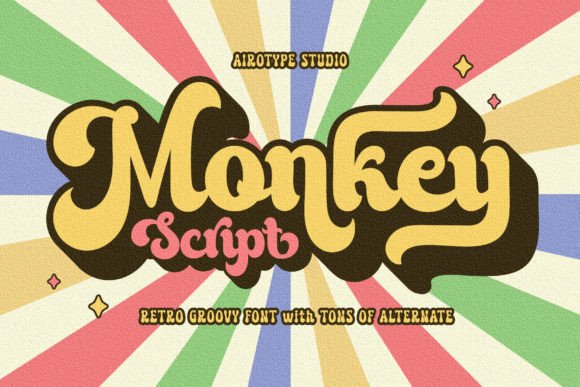
Monkey Script: A Bold Handwritten Font for Headlines and Logos
When a design calls for personality, sometimes the safest choice is to be bold. Monkey Script steps into that space with a confident, handwritten style that immediately feels both nostalgic and fresh. It’s not trying to be everything to everyone. Instead, it offers a specific kind of energy—strong, dynamic, and full of character—that can transform a headline from ordinary to unforgettable. For designers, entrepreneurs, and creators, understanding where and how to use a font like this is key to unlocking its potential without overwhelming a project.
Visual Character and Personality
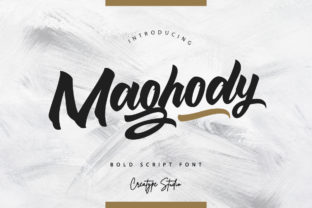
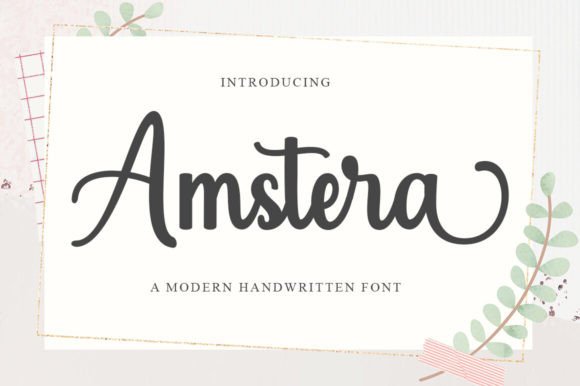
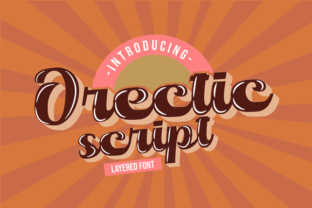
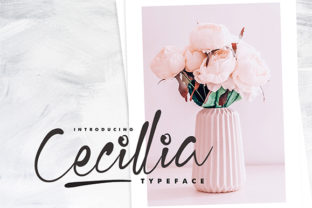
At its core, Monkey Script is a display typeface. Its strokes are fluid yet assertive, with a hand-lettered quality that avoids looking overly casual or messy. The letters connect with a natural flow, but each one maintains a distinct presence. There’s a vintage inspiration here, reminiscent of mid-century signage or classic logo design, but the execution feels contemporary. The overall impression is one of confidence and movement. It doesn’t whisper; it speaks with a clear, engaging voice. This makes it particularly effective for projects where you want to inject a sense of authenticity and human touch, moving away from sterile, corporate aesthetics.
As a premium font, Monkey Script is crafted with attention to detail. You’ll notice the thoughtful letterforms and consistent weight that ensure it remains legible even at larger sizes. It’s important to recognize its role: it’s a specialist. It’s built for impact in headlines, logos, and short, high-visibility text blocks. Using it for body copy would be like using a megaphone to have a quiet conversation—ineffective and tiring for the audience.
Where Monkey Script Truly Shines
Knowing a font’s personality is one thing; knowing where to apply it is another. Monkey Script’s bold, handwritten style makes it a natural fit for projects aiming to stand out and connect on an emotional level.
- Branding and Logo Design: This is where the typeface can be a game-changer. A logo set in Monkey Script communicates approachability, creativity, and a hands-on ethos. It works beautifully for artisanal brands, boutique studios, cafes, creative agencies, and any business that wants its brand identity to feel personal and memorable. The key is to ensure the letterforms align with the brand’s core values—it’s not the right choice for a law firm or a fintech startup, but perfect for a craft brewery or a freelance illustrator.
- Packaging and Editorial Design: On product packaging, Monkey Script can draw the eye and suggest quality or artisanal care. Think of labels for specialty foods, cosmetics, or handmade goods. In editorial design, it’s ideal for magazine covers, chapter titles, or pull quotes that need to pop off the page.
- Digital and Social Media: In the crowded space of web design and social media, a distinctive headline font can stop a scroll. Use it for hero sections on websites, email newsletter headers, or eye-catching social media graphics. It adds a layer of visual interest that standard system fonts lack, helping to reinforce a consistent and recognizable online presence.
For entrepreneurs and small business owners, this font can become a valuable design asset. It provides a shortcut to a polished, professional look in marketing materials, from sale announcements to event posters, without requiring a complete design overhaul.
Pairing for Balance and Hierarchy
A common question with any strong display font is: what do you pair it with? The goal is to create contrast and establish a clear visual hierarchy. Monkey Script’s expressive nature means it needs a quieter partner.
A clean, simple sans serif font is almost always a safe and effective choice. The neutrality of a typeface like Helvetica, Open Sans, or Lato provides a calm backdrop that lets the headlines in Monkey Script do the talking. This pairing is excellent for web design and packaging design, where readability of supporting text is crucial.
For a more classic or sophisticated vibe, a traditional serif font like Garamond or Times New Roman can create an interesting juxtaposition. The old-world elegance of the serif complements the handwritten energy, resulting in a balanced yet dynamic composition. This works well in editorial design or for brands with a heritage feel.
The critical rule is to avoid pairing it with another ornate or complex script font. This creates visual competition and confuses the reader. Simplicity is the best co-pilot for a creative font like Monkey Script.
Practical Considerations for Effective Use
Before diving in, a few practical checks will ensure you get the most out of this typeface.
- Evaluate Project Fit: Does the project’s tone match the font’s personality? If you’re designing for a children’s book, a tech manual, or a legal document, this likely isn’t the right tool. If you’re crafting a poster for a music festival, a menu for a diner, or branding for a yoga studio, it’s a strong candidate.
- Test for Readability: Always test the font in context. View it at the intended size, on the intended medium (screen or print). Ensure the letter spacing and word spacing are comfortable. The flowing connections between letters should feel natural, not forced or cluttered.
- Review Included Styles: Many premium font packages include alternate characters, ligatures, or stylistic sets. Monkey Script may offer swashes or different letter versions that can add further customization. Exploring these can help you tailor the font precisely to your needs.
- Understand the License: If you’re using Monkey Script for commercial work—a client project, merchandise, or a business logo—ensure you have the correct commercial font license. Most reputable foundries offer clear licensing for desktop, web, and app use. This protects both you and your client.
In the end, a font like Monkey Script is a powerful tool in a designer’s toolkit. It’s not about following a trend, but about choosing the right voice for a message. When used thoughtfully, it can elevate a design, strengthen a brand identity, and create that instant, memorable connection with an audience. It reminds us that in a digital world, a touch of human, handwritten character can still speak volumes.