Zebra Script: Unleashing Authentic Urban Energy
Capturing the raw, spontaneous energy of the street in a digital format is a challenge many designers face. When you need typography that feels alive, unpolished, and genuinely expressive, standard corporate fonts often fall short. This is where Zebra Script enters the conversation. It is not just another typeface; it is a bridge between the chaotic beauty of natural handwriting and the technical precision required for modern design assets. If you are looking to inject personality into your next project without sacrificing legibility, understanding this font is your first step toward creating something memorable.
The Anatomy of Urban Authenticity
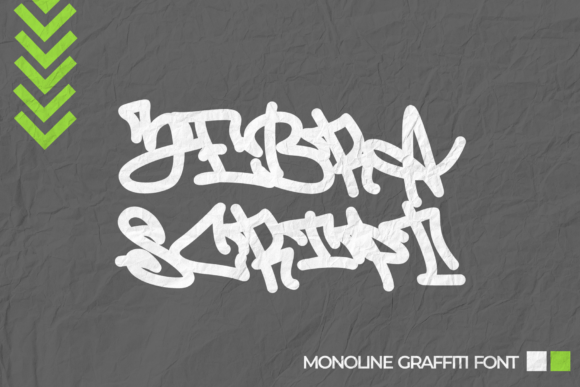
At its core, Zebra Script is a monoline graffiti font, but that description barely scratches the surface of its utility. The defining feature here is the "monoline" aspect. Unlike traditional calligraphy scripts where the stroke width varies dramatically from thick downstrokes to hairline upstrokes, this typeface maintains a consistent width throughout. This uniformity is what gives it a modern edge. It mimics the look of a marker or a paint pen moving fluidly across a surface, resulting in a handwritten font that feels approachable and grounded.
The personality of Zebra Script is unmistakable. It carries the visual weight of street art but cleans it up just enough to be functional. You will notice the natural irregularities in the letterforms—slight variations in baseline and connection points—that prevent it from looking sterile. This is crucial for brand identity work. When a brand uses a font like this, they are signaling that they are human, approachable, and perhaps a bit rebellious. It avoids the stiffness of a sans serif font and the stuffiness of a serif font, occupying a unique space that screams authenticity.
Why Monoline Matters for Modern Projects
You might wonder why the consistent stroke width is so important. In practical terms, a monoline structure offers superior readability at smaller sizes compared to high-contrast scripts. When you are designing social media graphics or mobile interfaces, details can get lost. The uniform strokes of Zebra Script ensure that the text remains legible even when the viewer is scrolling quickly. It provides the flair of a script font with the robustness required for digital screens.
Strategic Applications: Where Zebra Script Shines
Knowing what a font looks like is one thing; knowing where to use it is where the strategy comes in. As a premium font, Zebra Script is a specialized tool, not a universal solution for body text. Its strength lies in display usage—headers, logos, and call-outs. Here is how you can leverage this typeface across different mediums to maximize impact.
Branding and Logo Design
For logo design, Zebra Script is a powerhouse for specific niches. Think about businesses that want to convey creativity, youthfulness, or counter-culture appeal. Skate shops, independent coffee roasters, music festivals, and streetwear brands are natural fits. Because the font mimics a natural hand, it creates an instant emotional connection with the viewer. It feels personal, as if the founder signed the logo themselves. However, be mindful of the industry. While it works for a creative agency, it might not be the best choice for a law firm or a bank, where trust is usually built through more traditional modern typography.
Editorial and Packaging Design
In editorial design, Zebra Script can serve as a dynamic accent. Use it for pull quotes, section headers, or magazine titles to break up the monotony of standard body copy. It adds a layer of visual interest that draws the reader's eye to key messages. Similarly, in packaging design, this typeface can elevate a product on the shelf. Imagine a hot sauce label or a craft beer bottle. The graffiti-inspired aesthetic suggests that the product inside is bold and flavorful. It communicates flavor and experience before the customer even reads the description.
Digital Presence and Web Design
When applied to web design, Zebra Script should be used sparingly but effectively. It is an excellent choice for hero sections, landing page headlines, or "About Us" sections where you want to highlight a founder's story. Because it is a display font, pairing it correctly is essential. You would not want to pair it with another decorative font. Instead, pair it with a clean, geometric sans serif font for body text. This contrast allows the energy of Zebra Script to pop without overwhelming the user interface.
Mastering the Font: Practical Implementation Tips
Adopting a creative font like Zebra Script requires more than just installation. To get the most out of this typeface, you need to treat it as a design asset that requires careful handling. Here is a practical guide to integrating it into your workflow.
Evaluating Project Fit and Hierarchy
Before you start, ask yourself: Does this project need to feel "loud"? If the answer is yes, Zebra Script is likely a candidate. Visual hierarchy is about guiding the viewer's eye. Use this font for the primary message—the one thing you want people to read first. Its distinct texture naturally sits at the top of the visual hierarchy. However, if you use it for every headline on a page, it loses its impact. Use it for the "hero" text and switch to a more neutral font for secondary headers.
Testing Font Pairings
Successful font pairing is about contrast and harmony. Since Zebra Script is organic, textured, and irregular, your secondary font should be the opposite: structured, clean, and geometric. A classic combination might be Zebra Script for the main title paired with a font like Roboto, Helvetica, or Open Sans for the subtext. This ensures that the design remains professional. If you pair it with a serif font, ensure the serif is very traditional and understated to avoid a visual clash.
Readability and Spacing
One common pitfall with script fonts is kerning (the space between letters). Because Zebra Script mimics handwriting, the default spacing might feel tight or loose depending on the letters adjacent to each other. Always review your tracking and kerning, especially in large display sizes. If you are using it for a headline, ensure there is enough breathing room around the text so the details of the letterforms don't get lost.
Licensing and Commercial Use
Finally, as a commercial font, you must respect the licensing. If you are a small business owner or a freelance designer, ensure you have the correct license for the usage. Most premium fonts have different tiers for desktop use (print), web use (embedding in code), and app use. Check the license agreement included with the design assets. Using a high-quality, licensed font ensures you won't face legal issues down the road, and it supports the type designers who create these tools.
In conclusion, Zebra Script is more than just a graffiti style; it is a versatile tool for adding humanity and energy to digital and print media. By understanding its monoline structure and applying it strategically to brand identity and marketing materials, you can transform a standard design into something that truly connects with your audience.