Vintage Script: The Handwritten Font for Timeless Design
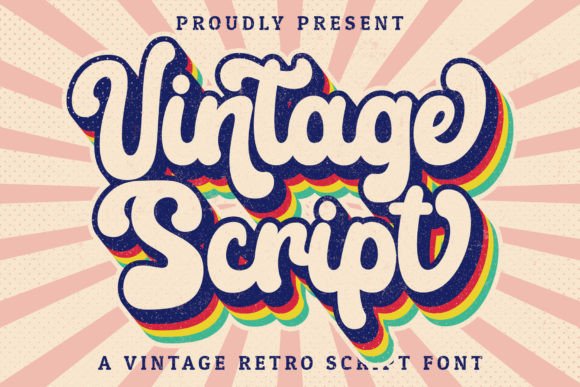
There’s a particular kind of charm that comes with a well-crafted handwritten font. It feels personal, immediate, and full of character. In a digital landscape often dominated by clean lines and geometric precision, a font like Vintage Script offers a compelling counterpoint. It’s a cool, vintage-style handwritten typeface designed to inject that special retro touch into your work. This isn't just about nostalgia; it's about creating a distinct voice that feels both authentic and artful.
The Anatomy of a Retro Aesthetic
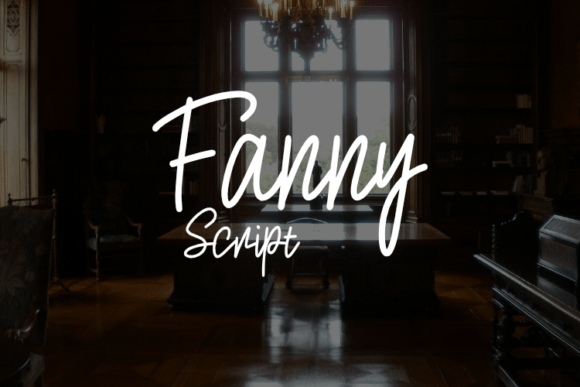
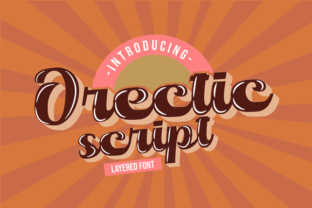
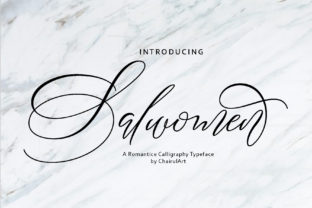
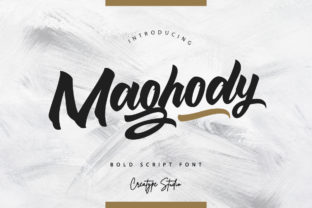
At its core, Vintage Script is a display font with a clear personality. Its visual characteristics draw from classic signage and handwritten correspondence, featuring flowing, connected letterforms with a natural, imperfect baseline. The strokes have a subtle variation, mimicking the pressure of a pen or brush, which gives it a tangible, human quality. You'll notice elegant swashes and alternate glyphs—those decorative extensions that make the font feel more dynamic and less repetitive. This is a script font that doesn’t just sit on the page; it performs.
The overall appeal lies in its versatility within a specific aesthetic. It walks a line between being a premium font with professional polish and a creative font that feels handcrafted. It’s not a simple, casual scrawl; it’s a designed typeface with intention. This makes it suitable for projects where you want to convey warmth, tradition, craftsmanship, or a sense of history without sacrificing legibility or professionalism. It’s the typographic equivalent of a beautifully restored classic car—recognizably retro, but fully functional and built to impress.
Where Vintage Script Truly Shines
Understanding a font's strengths is key to using it effectively. Vintage Script excels in applications where personality and a personal touch are paramount. It’s a natural fit for logo design, especially for brands in the artisanal, hospitality, or lifestyle spaces. Imagine it on a coffee roaster’s logo, a boutique distillery’s bottle, or a wedding photographer’s watermark. It immediately tells a story of care and quality.
Beyond logos, its utility spans a wide range of creative projects:
- Branding and Stationery: It brings a cohesive, personal feel to business cards, letterheads, and packaging design. For a small business, it can be a cornerstone of a recognizable brand identity.
- Invitations and Events: Wedding suites, party invitations, and event signage gain an instant layer of elegance and intimacy.
- Editorial and Publishing: Use it for pull quotes, chapter headings, or cover titles in books, magazines, and blogs to add a touch of stylistic flair. It’s a fantastic tool for editorial design.
- Digital and Social Media: Standout headers for websites, engaging social media graphics, and YouTube thumbnails benefit from its high-impact character. It’s a powerful asset for any web design project aiming for a unique vibe.
- Packaging and Merchandise: From jar labels to tote bags, it helps products tell a story on the shelf.
Its PUA encoding is a practical bonus, meaning all those beautiful swashes and alternates are easily accessible in most design software without needing specialized OpenType features. This makes it user-friendly for everyone from seasoned designers to passionate hobbyists.
Making It Work: Practical Guidance for Designers and Creators
Choosing the right font is a strategic decision. Here’s how to evaluate and implement Vintage Script effectively.
Evaluating Fit and Testing Pairings
First, consider your project's tone. Is it aiming for rustic, elegant, nostalgic, or artisanal? If the answer is yes, Vintage Script likely has a place. However, as a display font, it’s not ideal for long blocks of body text. Its strength is in headlines, logos, and short, impactful phrases. For body copy, you’ll need a companion. A clean, simple sans serif font or a classic serif font often creates the best font pairing. The contrast allows the script to shine without overwhelming the reader. For example, pair Vintage Script with a neutral sans serif like Montserrat or a sturdy serif like Lora for a balanced, readable hierarchy.
Readability and Hierarchy
While it has personality, legibility is crucial. Use Vintage Script at a size where its details are clear. It works beautifully in medium to large sizes. For social media graphics or a website hero image, scale it up confidently. For smaller applications, like a subheading, test it carefully. The goal is to use it to establish a strong visual hierarchy—draw the eye to the most important element first. Its unique style naturally creates a focal point, guiding the viewer’s attention through your layout.
Understanding Your Assets
When you acquire a commercial font like Vintage Script, explore the full package. Review the included styles—does it come with a regular, bold, or italic version? Play with the alternates and swashes. These aren’t just extras; they are essential tools for customizing the font’s look and feel to perfectly match your vision. Using different swashes can make two instances of the same word look distinct, which is perfect for creating unique logos or monograms.
Licensing and Professional Use
For entrepreneurs and businesses, understanding the license is non-negotiable. A premium font typically comes with a commercial license that specifies allowed uses—desktop, web, app, or merchandise. Ensure the license covers your intended project, whether it’s for a client’s logo design or your own product line. This is part of building a professional, ethical practice and protects both you and the font creator.
In the end, a typeface like Vintage Script is more than just a set of letters. It’s a design asset that can influence perception, evoke emotion, and create consistency across a brand’s touchpoints. Used thoughtfully, it becomes a powerful tool in your creative arsenal, helping you craft designs that feel both timeless and uniquely yours.