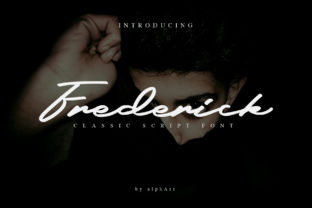
Frederick Script: Elevate Your Design with a Timeless Touch
The Anatomy of a Classic Handwritten Font
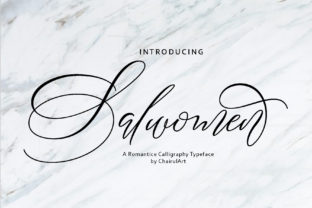
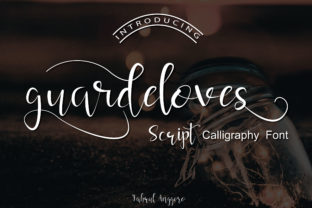
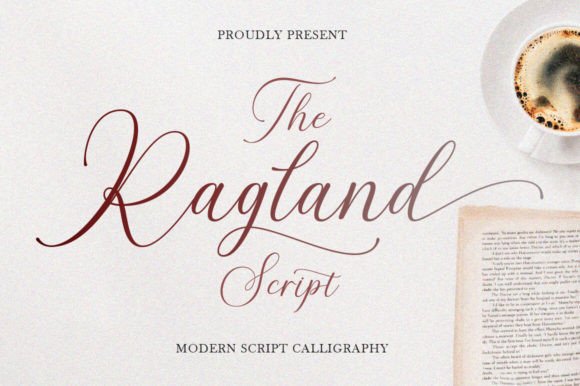
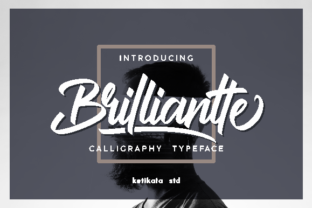
When you first encounter Frederick Script, you immediately understand its core promise. This is not a font that tries to reinvent the wheel or shock you with avant-garde geometry. Instead, it offers something increasingly rare in the crowded world of modern typography: confident simplicity. Frederick is a premium font rooted in the tradition of classic calligraphy, yet it feels entirely contemporary. The letterforms flow with a natural, rhythmic consistency that mimics the organic movement of a hand holding a dip pen, avoiding the jagged, overly distressed look that many script fonts fall victim to.
The visual personality of Frederick is defined by its fluidity. The strokes are smooth and balanced, creating a look that is both professional and approachable. You won’t find excessive loops or distracting swashes here; instead, the elegance comes from the spacing and the subtle tapering of the lines. It strikes a delicate balance—it feels personal, like a signature or a handwritten note, but it maintains the legibility required for commercial use. This makes it an incredibly versatile typeface for anyone who needs to inject warmth into a project without sacrificing clarity. It is a creative font that speaks the language of quality and refinement.
Practical Applications: Where Frederick Truly Shines
Understanding a font’s aesthetic is one thing; knowing where to deploy it is where the real strategy lies. Because Frederick Script is a handwritten font with a "simple, yet classy" style, it excels in scenarios where you need to make a human connection. It is an exceptional choice for logo design, particularly for brands in the lifestyle, fashion, wellness, or artisanal food sectors. A logo set in Frederick Script suggests that the brand values craftsmanship and personal service.
Beyond the logo, think about the broader brand identity. Frederick works beautifully for:
- Watermarks and Signatures: Photographers and artists can use this font to sign their digital work without distracting from the image itself. Its low-contrast style integrates seamlessly into complex backgrounds.
- Packaging Design: If you are designing labels for boutique products—think candles, coffee roasts, or handmade soaps—Frederick provides that "small-batch" feel that consumers love.
- Social Media Graphics: In the fast-scrolling world of Instagram and Pinterest, a script font can break up the monotony of standard sans-serifs. Use Frederick for pull quotes, headers, or inspirational posts to stop the scroll.
- Editorial Design: For magazine headers, blog post titles, or book covers, this font adds a layer of sophistication that standard serif fonts or sans serif fonts cannot replicate.
It is also a fantastic asset for personal projects. Whether you are creating custom stationery, wedding invitations, or scrapbooking elements, Frederick elevates the output from "homemade" to "professional design."
Visual Hierarchy and Audience Perception
Typography is rarely just about decoration; it is about communication. The font you choose acts as a silent ambassador for your message. When you utilize a display font like Frederick Script, you are making a specific choice about how you want your audience to feel. Because of its flowing nature, it evokes emotions of creativity, elegance, and intimacy. It tells the viewer that the content is curated and thoughtful.
However, this influence on perception comes with a responsibility regarding readability. In the realm of web design and editorial design, readability is king. Frederick is best used for headlines, sub-headers, and call-outs rather than long-form body copy. A common mistake in modern typography is setting a paragraph of text in a script font; this causes eye strain and hurts the user experience.
Instead, use Frederick to establish a strong visual hierarchy. Pair it with a clean, geometric sans serif font for your body text. The contrast between the organic, flowing lines of Frederick and the structured, mechanical lines of a sans-serif creates a dynamic tension that keeps the design interesting. This pairing strategy ensures that your design assets look polished and that your content remains accessible to a wider audience.
Integration and Best Practices for Designers
For designers, entrepreneurs, and content creators, integrating a new font into an existing workflow requires a bit of testing. When you download Frederick, take the time to explore the character map. Look for specific ligatures or alternate characters that can add flair to specific letters. Sometimes, a simple swap of a lowercase "h" or "t" can transform a standard word into a piece of art.
Here are a few practical tips for getting the most out of this typeface:
- Check Your Licensing: Before using Frederick in a commercial project—such as a client’s logo or a product for sale—ensure you have the correct commercial font license. Using a premium font legally protects both you and your client.
- Test at Different Sizes: Fonts behave differently at 12pt than they do at 72pt. Test Frederick at the size you intend to use it. If you are using it for a large banner, ensure the curves remain smooth and don't pixelate (if it is a vector format).
- Watch Your Tracking: Script fonts generally prefer tighter tracking (letter spacing) than sans-serifs. If you space the letters too far apart, the connections between them will look broken. Keep the default spacing or tighten it slightly for a more authentic handwritten look.
- Color Contrast: Because Frederick is a delicate font, ensure there is high contrast between the text color and the background. Light grey on white, for example, might become invisible. Use bold colors or dark backgrounds to make the script pop.
Ultimately, Frederick Script is more than just a creative font; it is a design solution. It bridges the gap between the digital precision of modern software and the organic beauty of hand lettering. Whether you are a small business owner crafting your first brand identity