Exploring the Elegance of Litesha Script
There is a specific moment in every design project where the typography either elevates the concept or lets it fall flat. For years, we relied heavily on rigid, geometric sans-serif fonts for "modern" looks, but the pendulum has swung back toward organic warmth. Audiences crave that human touch, that imperfection that signals authenticity. This is exactly where a font like Litesha Script steps in. It isn’t just a collection of letters; it is a premium font designed to bridge the gap between professional polish and genuine, handwritten charm. If you have ever struggled to find a typeface that feels personal without looking messy, you need to look closer at what Litesha offers.
The Anatomy of a Modern Handmade Typeface
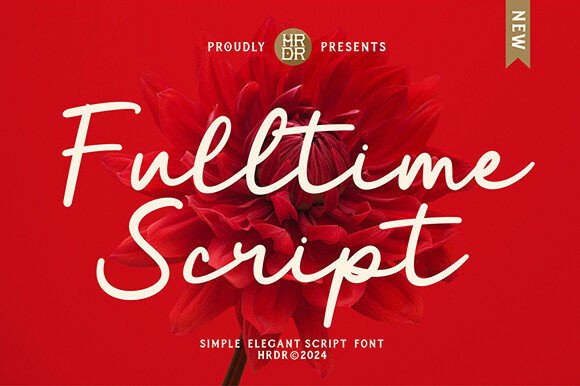
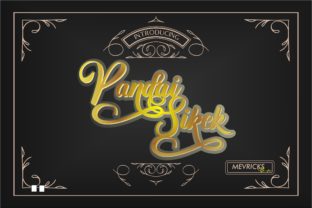
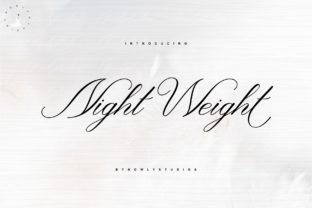
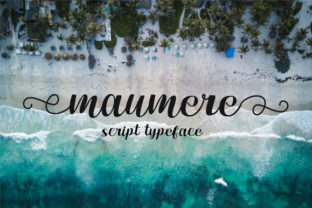
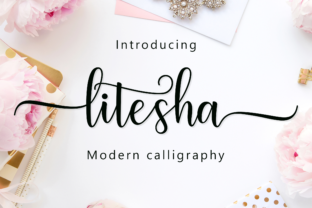
Visually, Litesha Script is a masterclass in flow. It falls into the category of a script font, but it carries a distinct modern typography sensibility. It avoids the overly swirled, hard-to-read calligraphy styles of the past. Instead, it offers a bouncy, rhythmic baseline that mimics natural handwriting. The strokes have a beautiful contrast—thick downstrokes meet delicate upstrokes—creating a texture that feels rich and expensive. It reads like a handwritten font crafted by a skilled sign painter rather than a digital algorithm.
One of the standout features of this creative font is its extensive library of alternates. In many standard fonts, you are stuck with one version of the letter 'g' or 'h'. Litesha provides a large range of stunning alternates. This is crucial for logo design and headlines. It allows you to swap out specific letters to avoid awkward double-letters (like two 'o's looking identical) or to create a specific tail that connects perfectly to the next character. This level of customization is usually reserved for bespoke lettering, making Litesha a powerful tool for designers who want that custom look within a commercial font license.
Practical Applications: From Brand Identity to Packaging
Understanding the visual style is one thing, but knowing where to deploy it is where the strategy lies. A font is a design asset, and like any asset, it must be used in the right context to yield a return.
Elevating Brand Identity
For small business owners and entrepreneurs, brand identity is everything. Litesha Script is an excellent choice for brands that want to position themselves as approachable, luxurious, or artisanal. Think about the beauty industry, boutique bakeries, wedding planners, or high-end coaching businesses. Using Litesha in your logo signals that there is a human behind the brand. It suggests care, creativity, and attention to detail. However, a word of caution: because it is a display-heavy script font, it works best for the logo mark or the brand name, not necessarily the tagline or body copy.
Packaging and Editorial Design
In packaging design, shelf appeal is the deciding factor. Litesha excels here because of its texture. On a coffee bag, a candle label, or a cosmetic box, the font adds an organic feel that sterile sans-serifs cannot replicate. Similarly, in editorial design, such as magazine headers or pull quotes in a blog post, Litesha draws the eye immediately. It breaks up the monotony of long-form text and adds a layer of visual interest that keeps readers engaged.
Digital Presence and Web Design
When it comes to web design, you have to be selective. You wouldn't use Litesha for your navigation menu or your "Terms of Service" page. That would destroy readability. Instead, use it for hero section headlines or specific call-to-action (CTA) buttons where you want to evoke emotion. It is also a powerhouse for social media graphics. In a crowded feed, a static image with bold, beautiful typography stands out. Litesha gives your Instagram quotes, sale announcements, and Pinterest pins a cohesive, professional aesthetic that builds recognition over time.
Strategic Typography: Hierarchy and Pairings
Using a premium font like Litesha effectively requires an understanding of visual hierarchy. Because Litesha is a display font with high personality, it dominates the visual field. If you pair it with another decorative font, the result will be chaotic.
The best practice for font pairing is contrast. To let Litesha shine, you need a quiet partner. A clean, geometric sans serif font works beautifully. The simplicity of the sans-serif allows the intricate details of the script to pop without competition. Alternatively, a classic serif font with high readability can create a sophisticated, editorial vibe. When testing your pairings, look at the x-height and the weight. You want the Litesha headline to feel grounded by the body text, not floating aimlessly above it.
Technical and Licensing Considerations
Before you commit to integrating Litesha into your workflow, you need to evaluate the technical fit. First, check the licensing. Since this is a commercial font, you need to ensure your license covers your specific usage. Are you putting it on a physical product for sale? Are you using it on a website with high traffic? Most premium font licenses cover standard commercial use, but it is always your responsibility to read the End User License Agreement (EULA).
Next, test the readability at the size you intend to use it. A font that looks gorgeous at 100 pixels on a desktop screen might blur together at 16 pixels on a mobile device. Test it on different screens and in print if possible. Look at the kerning (the space between letters). While Litesha is well-designed, specific letter combinations in your specific brand name might need manual adjustment to look perfect. This is the difference between amateur design and professional execution.
Finally, explore the alternates. Don't just type your text and accept the default. Open the Glyphs panel in your design software and explore the stylistic sets. You might find a capital letter 'M' that has a flair you prefer, or a lowercase 't' that connects better to the following vowel. Taking the time to customize these details is what turns a standard project into something special.
Ultimately, Litesha Script is more than just a typeface; it is a versatile tool for storytelling. Whether you are a crafter making wedding invitations or a marketer building a global brand, this font provides the visual language to connect with your audience on a human level. It balances the raw energy of handwriting with the precision of professional design, making it a worthy addition to any creative’s toolkit.