Coconut Script: A Modern Calligraphy Font for Elegant Designs
When you’re working on a project that needs a personal, handcrafted feel, the typeface you choose makes all the difference. A font like Coconut Script isn’t just a set of letters; it’s a design asset with a distinct personality. This modern calligraphy font was built with precision, focusing on the flow of every curve and stroke. It’s a script font that aims to bridge the gap between the organic feel of handwriting and the clean requirements of professional design.
Understanding the Visual Appeal of Coconut Script
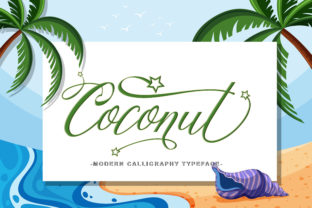
At its core, Coconut Script is a display font. This means it’s designed to be seen, to make a statement, and to draw the eye. It belongs to the script font family, but it’s not a traditional, formal calligraphy. Instead, it leans into a more contemporary, accessible style. The letters connect in a natural, flowing manner, but with a clarity that avoids looking messy or overly complicated.
The font’s construction on a horizontal and vertical path is a key detail. This gives it a stable baseline and a sense of structure, even as the letters maintain their elegant, swashy tails. The included swashes are a major part of its charm. They’re not just decorative extras; they are integral to creating that sophisticated, polished look. You can use them to add a flourish to an initial capital or to give a final letter a graceful exit. The overall personality is one of relaxed elegance—approachable yet refined.
Where Coconut Script Truly Shines
The real value of a creative font like this is in its application. It’s a versatile tool, but it excels in specific scenarios where its strengths can be highlighted. Think about projects that need a human touch, a sense of care, or a premium aesthetic.
In logo design and brand identity, Coconut Script can be a powerful choice. It works beautifully for businesses that want to convey craftsmanship, personal service, or boutique quality. Imagine it for a florist, a bakery, a wedding planner, or a handmade cosmetics brand. The font immediately suggests that there’s a real person behind the brand, someone who pays attention to detail. It helps build a brand identity that feels authentic and memorable.
For marketing materials and social media graphics, its impact is immediate. A quote graphic, a sale announcement, or a promotional banner using this typeface will stand out in a crowded feed. It grabs attention without being loud. It’s perfect for headings or short, impactful phrases where you want to inject personality. Pairing it with a clean sans serif font for body text creates a beautiful contrast that ensures readability while maintaining style.
The world of publishing and editorial design also benefits greatly. Think of book titles, chapter headings, or pull quotes in a magazine. It adds a layer of sophistication and can set the mood for a narrative. For packaging design, it’s a natural fit. Product labels for artisanal foods, craft beverages, or luxury goods can use Coconut Script to communicate quality and care before the customer even tries the product.
On a more personal level, this premium font is ideal for wedding invitations, greeting cards, and personal stationery. It captures the celebratory and intimate nature of these events. For crafters and hobbyists using cutting machines or designing custom apparel, it’s a fantastic resource for creating unique t-shirt designs, signage, or decals.
Making Smart Design Choices with a Script Typeface
Choosing a font like Coconut Script is just the first step. Using it effectively requires some practical consideration. Your goal is to enhance your design, not hinder its communication.
Readability is paramount. As a script font, it’s best used for short bursts of text: headlines, logos, taglines, and invitations. Avoid setting long paragraphs in it. The connected letterforms can become tiring to read in large blocks. Always test your design at the size it will be viewed. A beautiful flourish on screen might become an illegible blob when printed small on a label.
Font pairing is your best friend. The contrast between Coconut Script and a serif font or a sans serif font is what creates a professional and balanced layout. Use the script for emphasis and the more neutral typeface for supporting information. This establishes a clear visual hierarchy, guiding the viewer’s eye to the most important message first. For example, a wedding invitation might use Coconut Script for the couple’s names and a classic serif for the event details.
Evaluate the project’s tone. Does your project call for elegance, warmth, and personality? If so, this font is a strong candidate. If you’re designing for a corporate financial report or a technical manual, a different typeface would be more appropriate. The font’s personality should align with the project’s goals and the audience’s expectations. This alignment strengthens brand perception and makes the overall design feel cohesive.
Before committing, take time to explore the font’s full character set. Look at the alternates and swashes. How do the different letters connect? Testing various letter combinations, especially the tricky ones like ‘b,’ ‘o,’ ‘v,’ and ‘w,’ will help you avoid awkward joins. Finally, always check the licensing. Ensure the commercial font license covers your intended use, whether it’s for a client’s logo, a product you sell, or a digital download. Understanding the terms protects you and respects the work of the type designer.
In the end, a font like Coconut Script is more than just a design asset. It’s a way to inject a specific feeling into your work. Used thoughtfully, it can elevate a project from simply informative to truly engaging, creating a lasting impression on your audience.